
Taj Mahal – everybody wants it!
Taj Mahal in all its forms is the must-have material this Autumn!
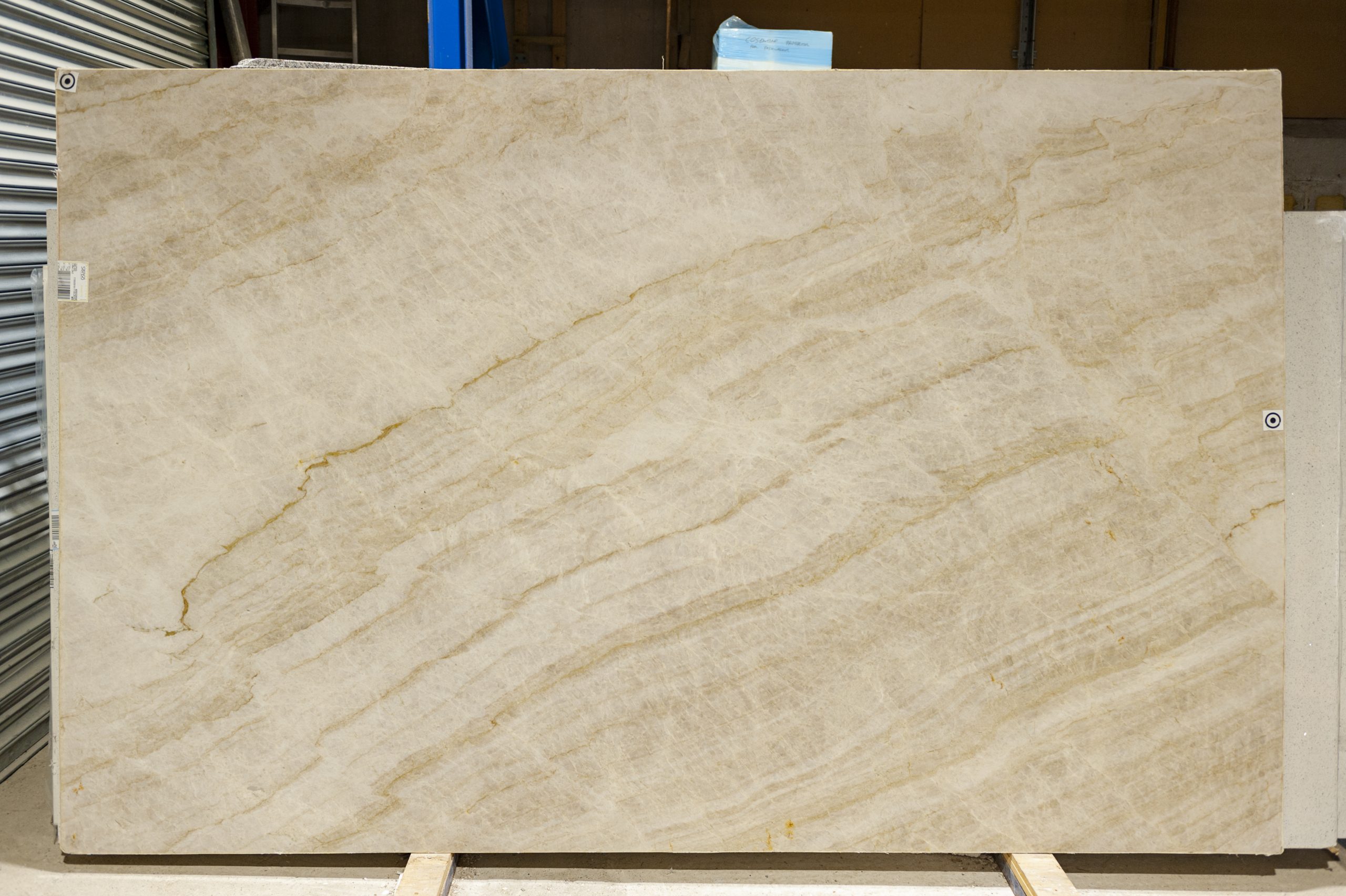
I think much of its popularity comes as a refreshing counterpoint to several years of ultra-white and white-and-grey marble-inspired worktops. Taj Mahal has a much softer, warmer and more organic appeal. The natural stone is simply beautiful, with a wonderfully subtle blend of creamy tones and stony greys, threaded with delicate veins of warm beige and brown. It has an understated elegance that feels both luxurious and timeless, bringing warmth and natural character to a kitchen without losing that light, airy feel.
This is by no means an exhaustive list, but our aim is to demonstrate just how much choice there is, with alternatives to suit different tastes, requirements and budgets. If you have spotted a particular version that we haven’t included, do ask our team. We can source most quality materials with UK distribution, so there may well be more possibilities than you think!
Call us on 01293 204022 – we’d be delighted to help you find the right Taj Mahal look for your – or your client’s – kitchen.
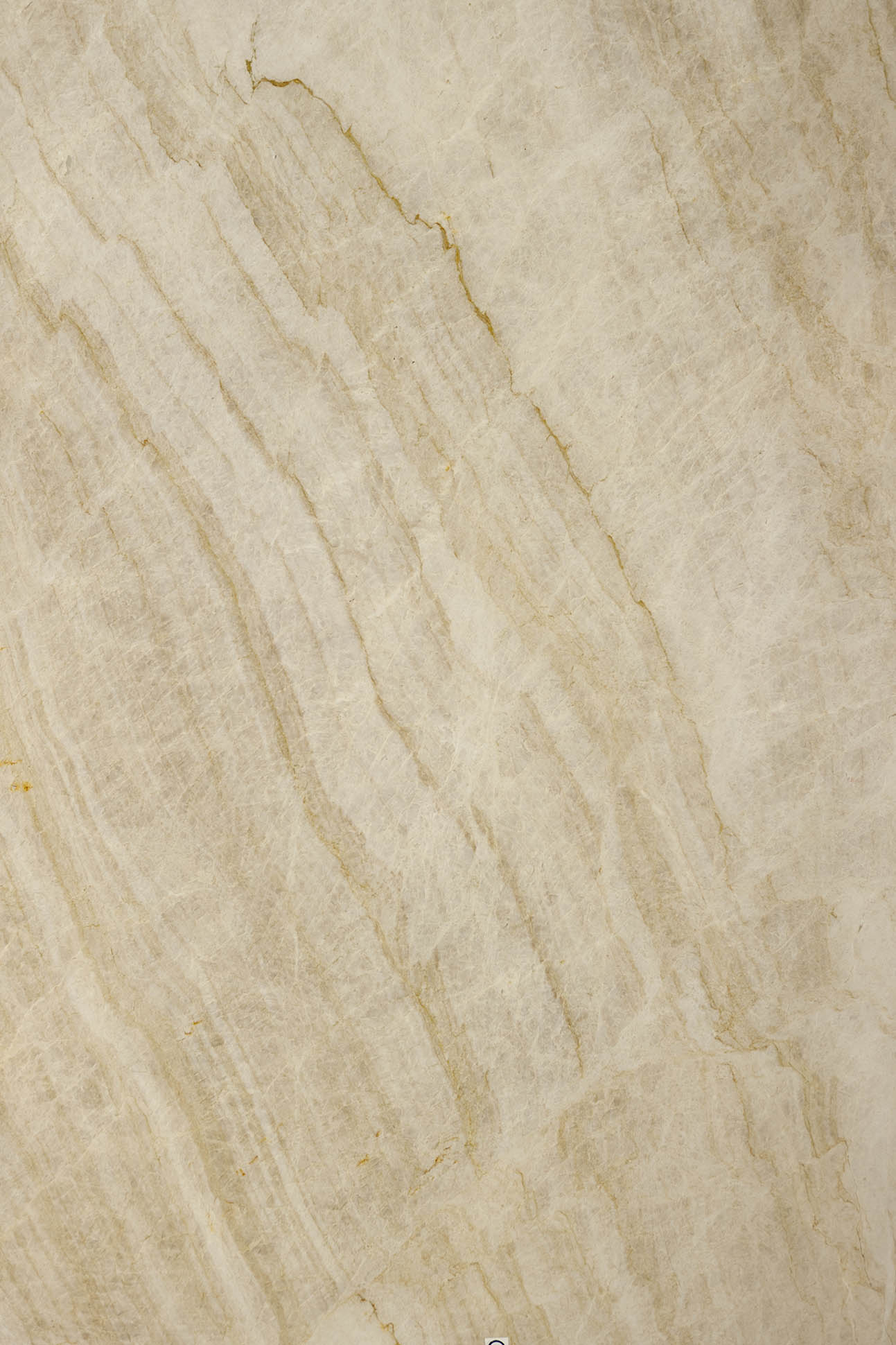
1. Taj Mahal Natural Quartzite
The original, and arguably still the most beautiful of all the Taj Mahal options, is the stunning natural quartzite itself. There is something quite special about the depth, subtle variation and natural character of this stone. No two slabs are ever quite the same, which is very much part of its appeal.
Available finishes: Polished, Honed, Leather and Satinato.
Available thicknesses: 20mm and 30mm. We would generally recommend 30mm for kitchen worktops.
Available sizes: Slab sizes vary, but are often around 3000 × 1900mm. Please note that slabs cannot be installed at their full dimensions.
The advantages:
- Natural beauty and individuality: The appeal of genuine stone is hard to replicate. Every slab has its own character, with subtle variations and natural features.
- Beautiful natural detail: The inherent movement, veining and geological features give the stone a depth and authenticity that manufactured alternatives can struggle to match.
- Completely full-bodied: As a natural stone, the pattern and character extend throughout its thickness, rather than being limited to the surface.
- A choice of finishes: The availability of Polished, Honed, Leather and Satinato finishes allows you to tailor the look and feel to your kitchen.
- Relatively easy to live with: Although it requires the usual care associated with lighter natural stones, it is generally a practical and manageable choice for everyday kitchen use.
The disadvantages and things to consider:
- Price: As with most natural quartzites, Taj Mahal is an expensive material and can easily push a project beyond budget. Block prices vary considerably and have also risen as a result of market conditions.
- Natural variation: It is essential that customers view and approve the actual block they are purchasing. There can be considerable variation between blocks, so choosing from a small sample is not really sufficient.
- Natural features: Seams, fissures and other geological features are part of the character of natural stone, but some may be less desirable and need to be avoided when planning the worktops.
- Slab utilisation: Because of the natural variation and features within the stone, achieving good slab utilisation can sometimes be difficult, potentially increasing the material cost.
- Fabrication: Taj Mahal quartzite can be particularly brittle and challenging to fabricate. This can mean higher fabrication costs, and certain details may simply not be practical. For example, milling is difficult, so splashbacks may need to be made at the full 30mm thickness rather than incorporating a thinner, rebated detail.
- Flush-fit hobs: We would not generally recommend flush-fit hob installations with this material.
- Edge profiles: Natural Taj Mahal does not lend itself particularly well to elaborate profiling. Simple bevel or pencil-round edges are generally the best choices.
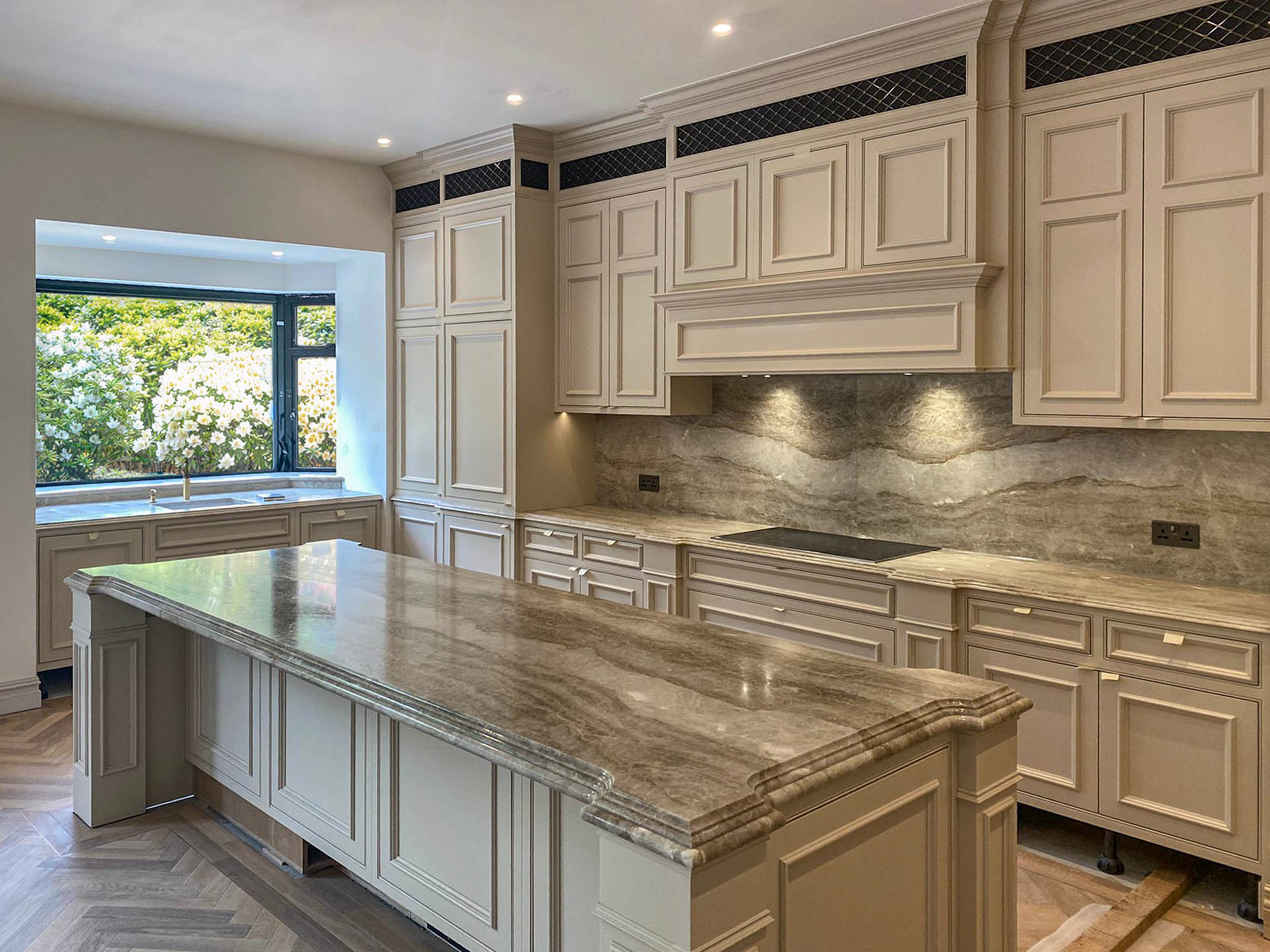
The real thing – fairly green Taj Mahal quartzite in a Surrey kitchen, with very fancy edge profile (££££££!) and splashback
2. Dekton Arga – Cosentino
Sintered stone by Cosentino
Dekton Arga is a striking interpretation of the Taj Mahal look, produced using Cosentino’s advanced sintered stone technology. This particular version has a spectacular High-X-Gloss finish, giving it an almost glass-like shine and a distinctly glamorous appearance.
Available finishes: High-X-Gloss (a very high-gloss, glass-like finish).
Available thicknesses: 8mm, 12mm and 20mm. We recommend 12mm or 20mm for worktops. If choosing 12mm, we recommend that the cabinetry has solid tops to provide adequate support.
Available slab sizes: 3360 × 1670mm, with a maximum usable area of approximately 3320 × 1630mm.
The advantages:
- Exceptional visual quality: High-quality digital printing creates an impressively natural-looking stone pattern.
- Consistency: Unlike natural stone, there are no unexpected geological features, seams or fissures to work around, making planning and slab utilisation much more straightforward.
- Outstanding heat resistance: Dekton offers exceptional resistance to high temperatures.
- Excellent stain resistance: A very practical, low-maintenance surface.
- No ongoing maintenance: No sealing or regular treatment is required.
- Suitable for outdoor use: An excellent option if you want to carry the same look through to an external kitchen or entertaining area.
- Special offer: Cosentino has included this product in its 2026 promotional programme, making it a more attractive proposition.
The disadvantages and things to consider:
- Not full-bodied: The pattern is printed onto the surface rather than running through the entire thickness. Exposed edges will therefore be plain. A mitred edge can be used to carry the surface pattern down the front of the worktop, but polished bowl cut-outs and drainer grooves will reveal the plain material beneath.
- Price: Dekton Arga is one of the more expensive options, although the 2026 promotion makes it considerably more competitive.
- Scratch visibility: Although the high-gloss surface is difficult to scratch, any scratches that do occur can be more noticeable than on a matt or textured finish.
- Flush-fit hobs: The High-X-Gloss finish is not suitable for flush-fit hob installations.
- Edge profiles: It is not suitable for elaborate profiling. We recommend keeping things simple with a standard bevel or pencil-round edge.
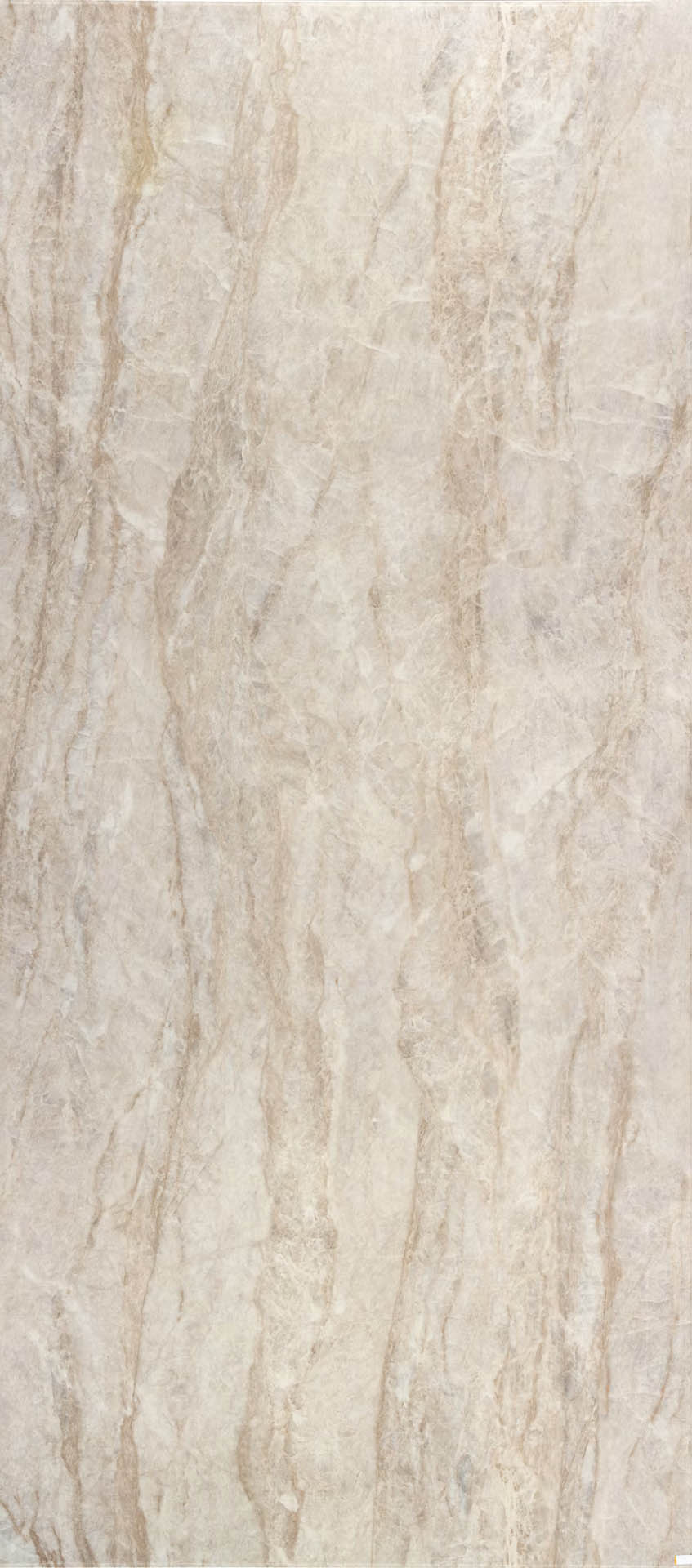
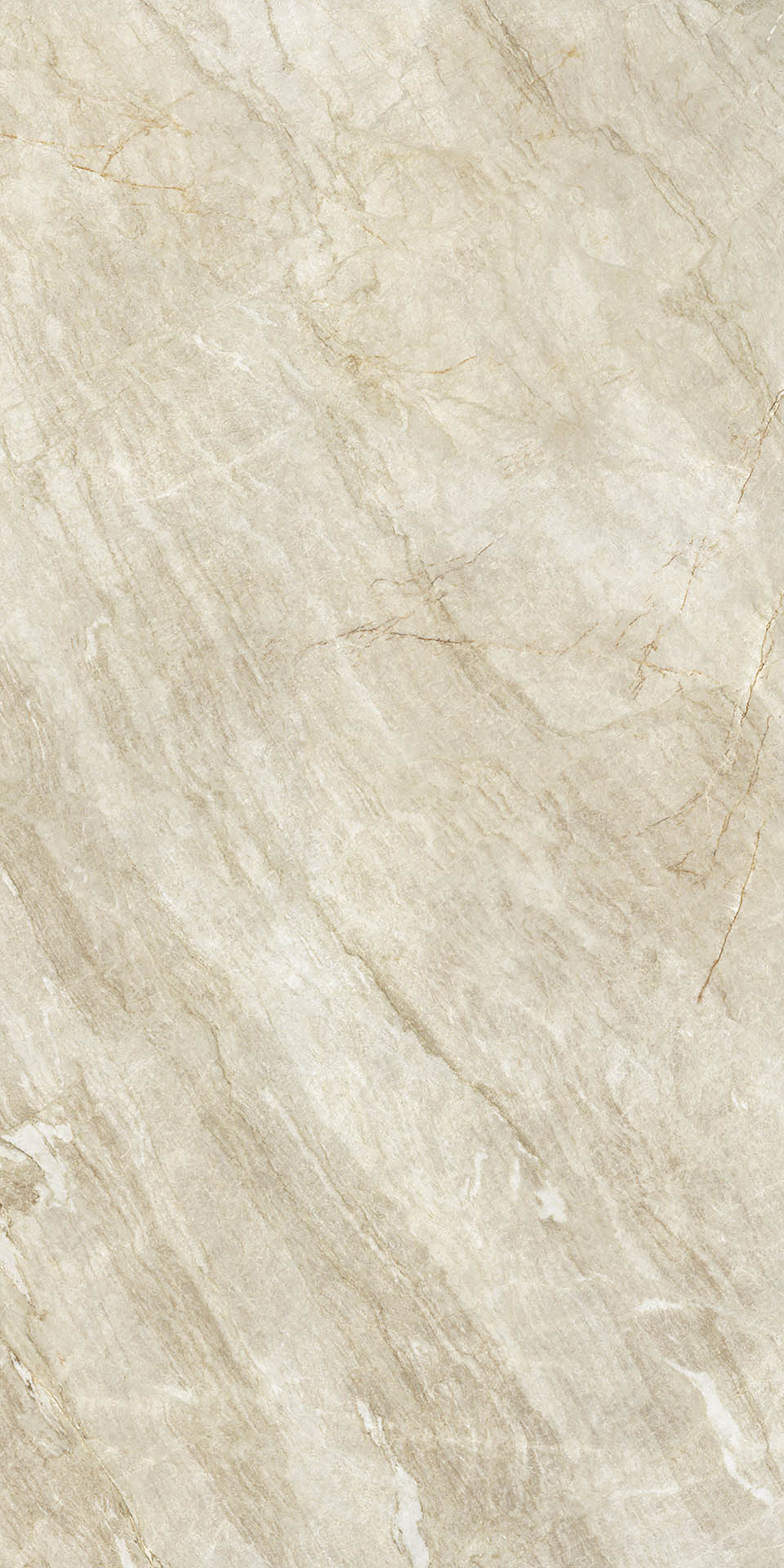
3. Taj Mahal – Sapienstone
Italian porcelain from Cullifords
Sapienstone offers a beautifully convincing interpretation of Taj Mahal, using high-quality digital printing to recreate the delicate colours and natural movement of the original quartzite. We particularly like the Cashmere finish, which has a softer, more tactile quality and a remarkably natural appearance.
Available finishes: Polished and Cashmere. Our preference is Cashmere, which we feel gives the most convincing natural-stone effect.
Available thickness: 12mm.
Available slab size: 3200 × 1600mm.
The advantages:
- Excellent visual quality: High-quality digital printing produces an extremely natural-looking pattern.
- Consistency: The pattern is consistent from slab to slab, with no natural seams, fissures or other geological features to avoid.
- Cashmere finish: This is the real star of the show for us. It has a wonderfully natural appearance and feel, avoiding the sometimes rather artificial look of a highly polished manufactured surface.
- Outstanding heat resistance: Porcelain offers excellent resistance to high temperatures.
- Excellent stain resistance: A very practical surface for a busy kitchen.
- No ongoing maintenance: No sealing or regular treatment is required.
- Suitable for outdoor use: A good option for extending the same design into an external kitchen or entertaining space.
The disadvantages and things to consider:
- Not full-bodied: As with many digitally printed surfaces, the pattern does not extend through the full thickness of the material. A mitred edge can be used to create a patterned front profile, but polished bowl cut-outs and drainer grooves will reveal the plain material beneath.
- Thickness: Sapienstone is only available in 12mm, so there is no option for a conventional 20mm or 30mm slab.
- Flush-fit hobs: We would not recommend flush-fitting a hob. A wider bevel is required, which makes this detail less suitable.
- Edge profiles: Elaborate bespoke profiling is not recommended. A standard bevel or pencil-round edge is the best choice.
4. Tajnar – Eclos by Cosentino
The latest generation of engineered stone
Tajnar is part of the Eclectic Veins collection and is among the first designs in Cosentino’s latest engineered stone innovation, Eclos. This is an interesting development in the world of worktop materials. It offers much of the practicality and ease of fabrication associated with conventional engineered quartz, but with considerably greater heat resistance.
Available finishes: Glossy. Despite the name, this is not an ultra-high-gloss surface. It is closer to the familiar polished finish found on traditional resin-based engineered quartz.
Available thicknesses: 20mm or 30mm.
Available slab size: 3270 × 1590mm.
The advantages:
- Impressive pattern technology: Cosentino’s Inlayr technology creates a very natural-looking surface pattern, with excellent depth and definition.
- Exceptional heat resistance: Perhaps the biggest selling point is its stated resistance to temperatures of up to 220°C. This sets it apart from conventional resin-based engineered quartz worktops.
- Some full-bodied characteristics: The Inlayr technology allows some of the pattern to extend through the material, giving it greater depth than a purely surface-printed product.
- Consistency: The pattern is consistent, without the natural seams and geological features that can complicate the fabrication of natural stone.
- Easy fabrication: It can be fabricated in much the same way as conventional engineered quartz, making it a relatively straightforward material for experienced worktop fabricators.
- Low maintenance: No regular sealing is required, although protection from strong chemicals is still advisable.
The disadvantages and things to consider:
- Price: As you might expect with a newly developed material incorporating some pretty groundbreaking technology, Eclos comes at a premium price.
- Outdoor use: It is not suitable for external applications.
- Edge profiles: Although some pattern extends through the material, it does not continue all the way through in the same way as a genuinely full-bodied quartz. This makes elaborate bespoke profiling less attractive. We recommend sticking to a standard bevel or pencil-round edge.
- Availability: At the time of writing (November 2026), demand for this newly launched product has outstripped supply. You may therefore need to allow a longer lead time when placing an order.
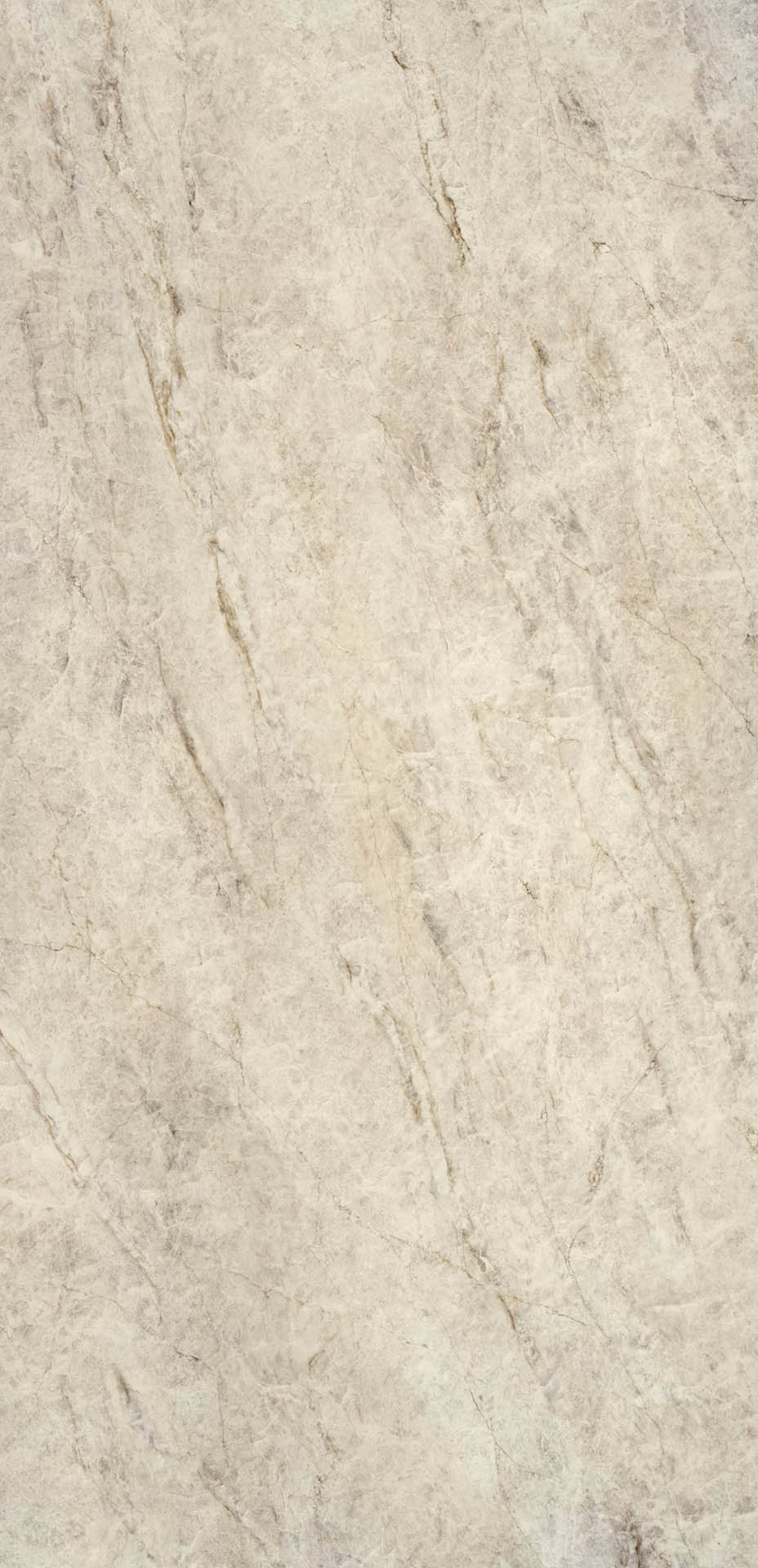
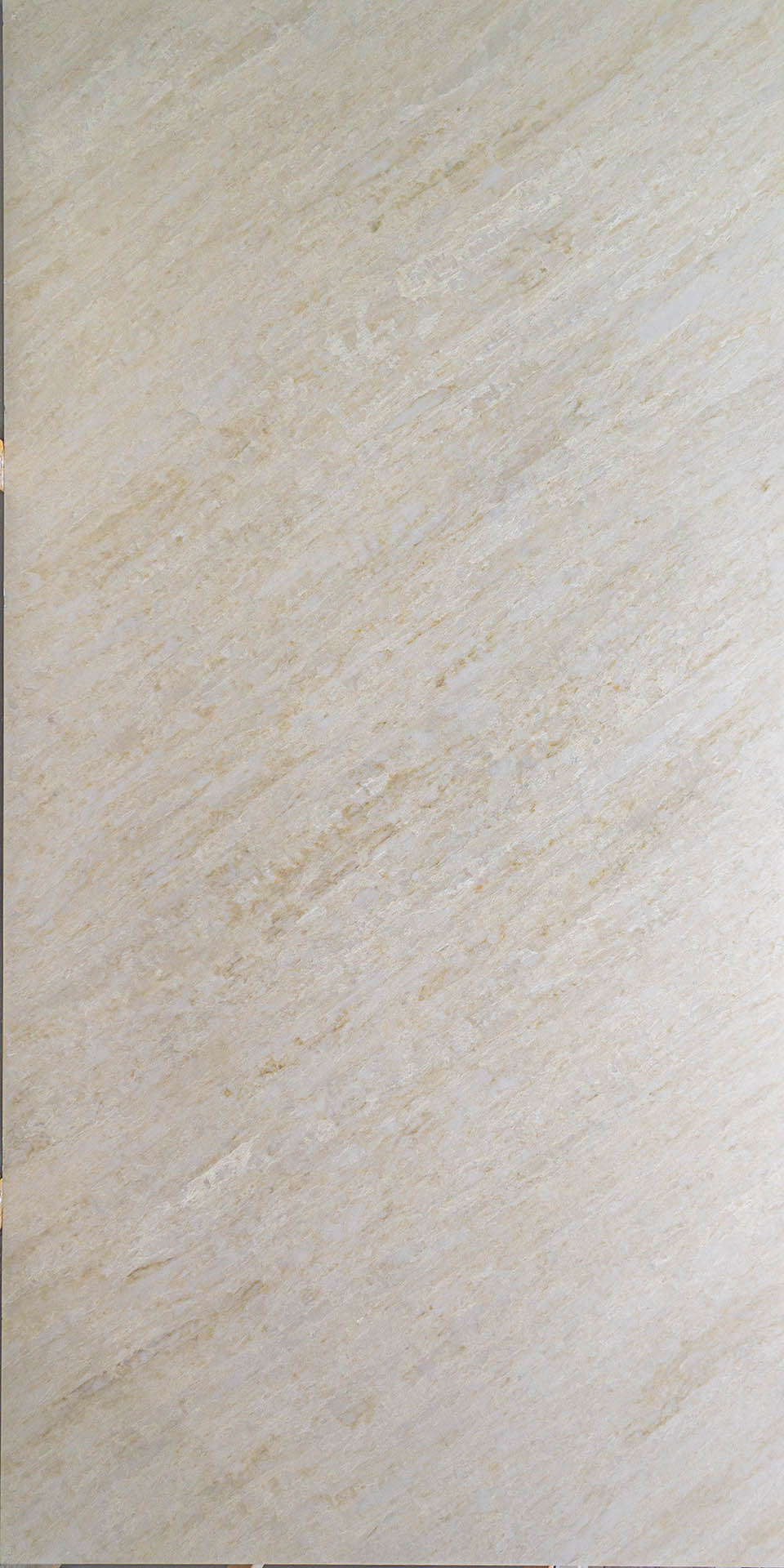
5. Taj Mahal Quartz – BQS
Engineered stone from Brachot
BQS offers a very attractive engineered quartz interpretation of the Taj Mahal look. It combines a convincing natural-stone appearance with the practical benefits of a consistent, full-bodied engineered material. For those who want the look of Taj Mahal without the challenges and expense of working with natural quartzite, this is certainly worth considering.
Available finishes: Polished and Velluto.
Available thicknesses: 20mm or 30mm.
Available slab size: 3200 × 1600mm.
The advantages:
- Natural appearance: A convincing interpretation of the subtle colours and veining associated with Taj Mahal.
- Consistency: Unlike natural stone, there are no unexpected geological features, seams or fissures to work around.
- Full-bodied: The pattern runs through the thickness of the material, making it much more versatile when it comes to edge detailing.
- Bespoke profiles: Unlike many of the printed alternatives, BQS can accommodate a range of bespoke edge profiles, allowing greater freedom when designing your worktops.
- Low maintenance: No sealing or regular treatment is required, although sensible protection from excessive heat and chemicals is still necessary.
The disadvantages and things to consider:
- Heat resistance: Its heat resistance is rated at around 120°C, so it requires more care around hot pans and other sources of heat than sintered stone or porcelain alternatives.
- Outdoor use: Like other conventional engineered quartz materials, it is not suitable for external applications.
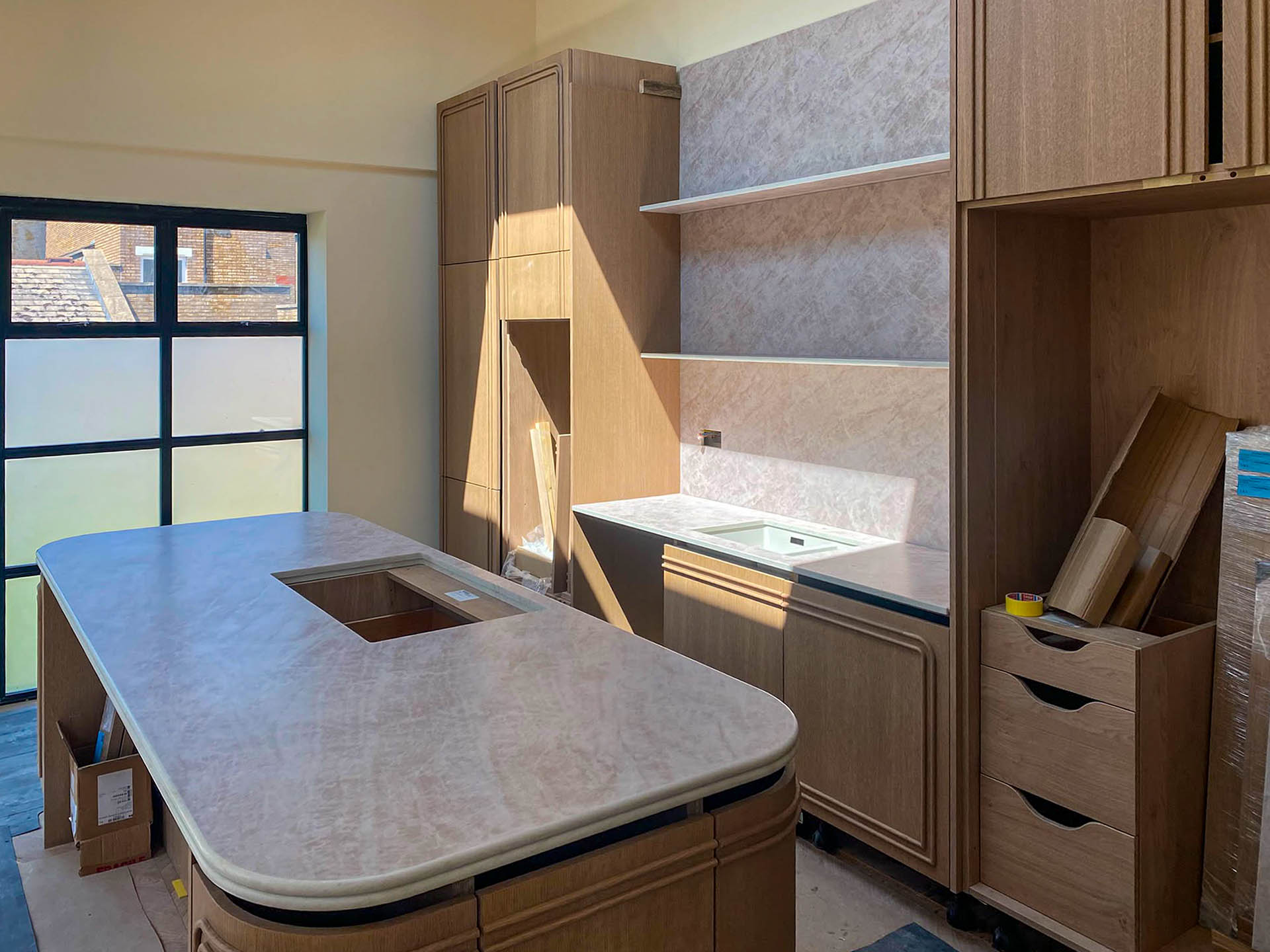
An economical printed Taj Mahal style quartz in a Haywards Heath, West Sussex, home (Kitchen unfinished when this fitter’s photograph was taken!)
Which Taj Mahal worktop is right for you?
As you can see, there is no single answer. The natural quartzite remains a beautiful and unique material, but it comes at a premium and requires more consideration during selection and fabrication. The sintered stone and porcelain alternatives offer excellent heat and stain resistance, while engineered options such as Eclos and BQS quartz provide different combinations of appearance, practicality and fabrication flexibility.
Ultimately, the best choice depends on your priorities. Is it the authenticity and individuality of natural stone that appeals to you? Is ease of maintenance more important? Do you want the flexibility of bespoke edge profiles, or are heat resistance and suitability for outdoor use higher on your list?
At AG Stoneworks, we work with all these materials and more!
We can help you compare the options honestly and practically. Whether you are looking for natural quartzite, sintered stone, porcelain or engineered quartz, we can help you find the right Taj Mahal worktop for your kitchen, your lifestyle and your budget.
Give our team a call on 01293 204022. We’d be delighted to talk through the choices and help you find the perfect material for your project.